

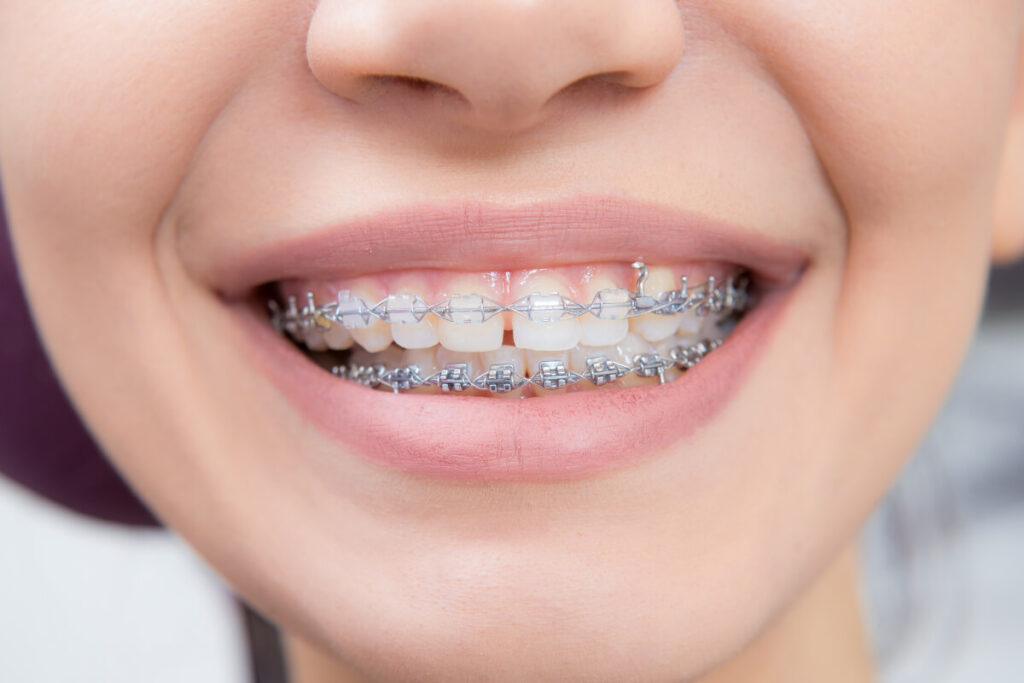
Braces are one of the most trusted ways to straighten teeth and fix bite issues. They work gradually, using gentle, steady pressure to guide your teeth into better positions over time.
Understanding how braces work can ease a lot of the nerves that come with starting treatment. It also helps you feel prepared to care for your smile along the way.
What Are Braces?
Braces are an orthodontic appliance designed to move your teeth and improve the way your smile looks and functions. They’re made up of brackets attached to each tooth and a wire that connects them, working together to gently shift your teeth into place.
Why Do People Need Braces?
Braces are often recommended for teeth that are too crowded, too far apart, or not straight. They’re also used to correct bite problems, cases where your upper and lower jaws don’t quite line up. Treatment can improve both the look of your smile and how well your mouth functions day to day.
How Braces Improve Your Smile and Oral Health
Straight teeth are easier to keep clean, which means fewer spots for plaque to build up. Correcting bite issues can also help you chew more comfortably and evenly. Keeping up with regular dental cleanings throughout treatment helps protect that progress.
How Do Braces Work?
Braces move your teeth gradually, using consistent pressure applied over time.
How braces gradually move your teeth
Light, steady pressure changes the bone surrounding each tooth, allowing it to shift into a healthier position.
The role of brackets, wires, and other parts
Brackets hold the wire in place, and the wire is what guides your teeth as they move. Depending on your case, your dentist may also use elastics or bands to help with more complex corrections.
How braces correct alignment and bite problems
Throughout treatment, your dentist adjusts the entire system so each tooth shifts a little at a time. As treatment progresses, your upper and lower teeth typically start fitting together more naturally.
Who Can Benefit from Braces?
Braces work well for patients of nearly any age.
Braces for children and teens
Kids and teens often get braces when their teeth need repositioning or when their jaw growth needs some guidance.
Braces for adults
Adults can benefit from braces too, as long as their teeth and the surrounding tissue are healthy enough to support movement. Patients who prefer a more discreet option may also want to ask about clear aligners.
Common Dental Problems Braces Can Fix
Braces can help correct crowding, gaps, rotated teeth, protruding teeth, and various bite concerns.
What to Expect During Braces Treatment
Every treatment plan starts with a check-up.
Your first visit
Your dentist will examine your teeth, jaw, and bite. X-rays or scans may be taken if needed to get the full picture.
Building your custom treatment plan
Your plan is based on your specific alignment, your bite, your goals, and your overall oral health.
Adjustment visits
At follow-up visits, your dentist may adjust your wires or other components to keep your teeth moving as planned.
How long does braces treatment take?
Treatment length varies from several months to a couple of years, depending on the complexity of your case and how your teeth respond along the way.
What Are Traditional Braces?
Traditional metal braces use metal brackets and wires to shift your teeth.
How traditional braces work
An archwire connects the brackets and applies steady pressure, gradually guiding your teeth into place over time.
Benefits of traditional braces
Traditional braces can correct a wide range of alignment issues and give your dentist precise control over how your teeth move.
Why traditional braces are still a great choice
They’ve been trusted for decades and remain effective for many different orthodontic concerns.
Caring for Your Teeth During Braces Treatment
Good oral hygiene matters even more while you’re wearing braces.
Brushing and flossing with braces
Brush carefully around each bracket and wire, and clean between your teeth daily. Specialty brushes or flossers can make the process easier.
Foods to avoid with braces
Steer clear of hard, sticky, or chewy foods that could damage a bracket or bend a wire.
Keeping braces clean and comfortable
Clear away any food that gets stuck after meals, and reach out to your dentist if a wire or bracket starts causing irritation. If sports are part of your routine, ask about a custom mouth guard to protect your smile during treatment.
What Happens After Braces Come Off?
Treatment doesn’t end the moment your braces are removed.
Why retainers matter
Retainers help keep your teeth in place while the surrounding tissue settles into its new position.
Maintaining your new smile
Wear your retainer as directed, and keep up with brushing, flossing, and regular dental visits.
Locations We Serve
We proudly provide comprehensive family dental care for patients of all ages in Addison, IL and the surrounding communities.
How to Keep Your Teeth Aligned Long Term
Sticking to your retainer schedule, keeping up with oral hygiene, and attending your check-ups all help your smile stay beautifully aligned for years to come.
Frequently Asked Questions About Braces
What types of braces are available in Addison?
Options may include traditional metal braces, clear aligners, and other types depending on your dental needs.
How much do braces cost in Addison?
Cost varies based on the complexity of your treatment, the type of braces you choose, how long you’ll need them, and your insurance coverage. Visit our financing and insurance page for more details.
How do I know if braces are right for me?
An appointment at First Dental Image can help you figure out whether braces make sense for your alignment or your bite. Book your consultation to get started.
What can you eat while wearing braces?
Stick with softer foods and steer clear of anything hard, sticky, or chewy that could damage your wires or brackets.
How often do braces need adjustments?
This varies by patient. Many people return every few weeks, but your schedule depends on your specific treatment plan and progress.